
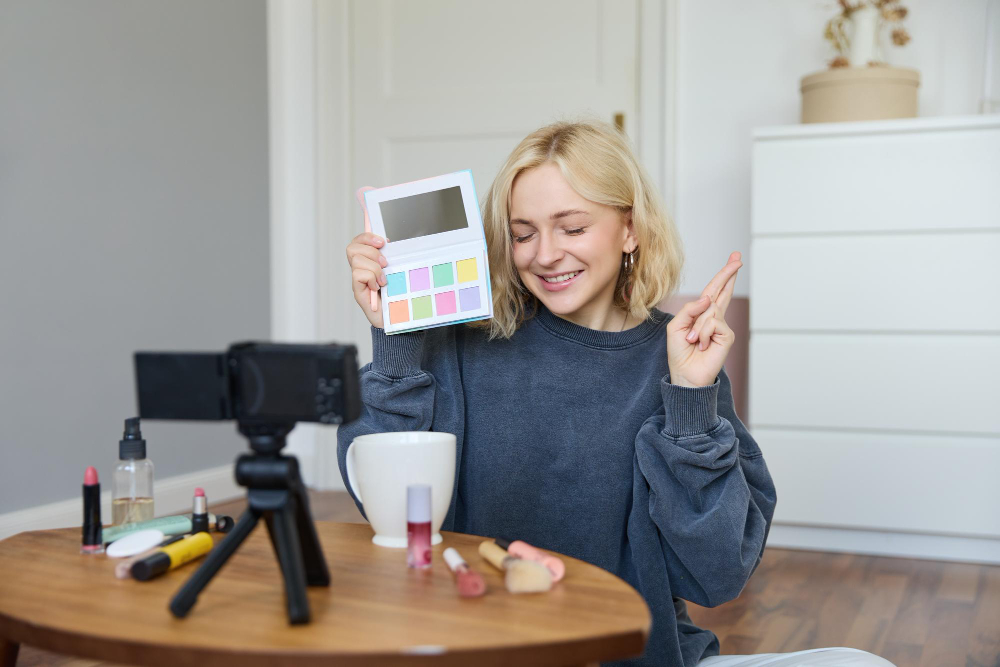
Product video costs break into three clear tiers for 2026: a DIY setup runs roughly $200 to $1,500 in gear and software, a freelancer typically charges $500 to $5,000 per finished video, and an agency project runs $4,500 to $50,000 or more depending on scope. For most small and mid-size brands, a freelancer or boutique agency hits the right balance of cost and production quality, while DIY works only for brands with real internal skill and time to spare. The gap between these tiers is not just about polish. It changes how many versions you can test, how fast you can launch, and how much a mistake costs you.
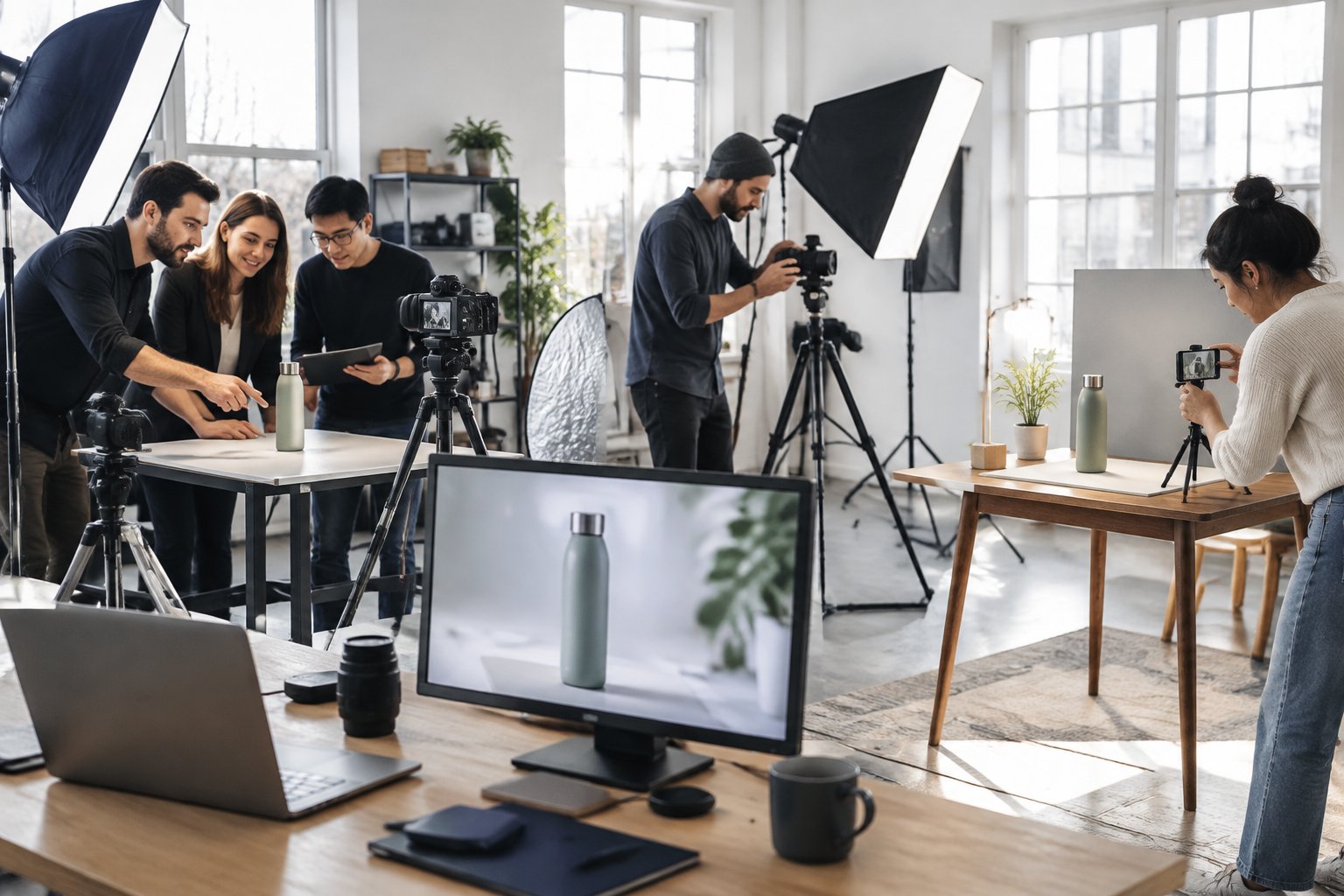
A single hero video and a library of cutdowns for Amazon listings, paid social, and retargeting are not priced the same way, and the production model you pick changes both the video marketing budget and the speed at which you can launch new creative. Brands spending heavily on Amazon advertising or paid social often find that creative becomes the bottleneck long before targeting does. Getting the production math right from the start keeps that bottleneck from stalling a whole campaign.
What Should You Budget for Each Production Option in 2026?
Product video cost in 2026 depends far more on who produces the video than on how long it runs. A DIY shoot might cost under $500 in software and incidentals, a freelance videographer typically charges $500 to $5,000 per video, and a video production agency or video production company usually quotes $4,500 to $50,000 for a fully managed project with strategy, crew, and post-production included.
DIY: Equipment, Software, and Internal Time
A basic DIY kit runs $300 to $10,000+ for a camera, $25 to $500 for a tripod, $250+ for an LED light, and $500 to $1,000 for a microphone with receiver. Editing software adds another $300 or more per year. A realistic starter setup lands around $1,400 to $12,000, not counting the hours someone on your team spends learning to shoot and edit well. Average cost of video production under the DIY model looks cheap on paper, but the hidden cost is staff time and inconsistent output quality.
Freelancers: Solo Production vs. Editing-Only Support
A solo freelance videographer typically charges $600 to $1,200 per day of filming, which usually covers a 10-hour day, one camera setup, basic lighting, and a simple edit. If you already have raw footage and only need editing, that work costs far less, often $200 to $2,500 depending on complexity. Freelancers suit single-location shoots with one subject and clean audio, such as interviews or short product clips.
Before you compare price tags, it’s worth understanding what’s changed on the production side—our simple guide to how AI video generation works for brand ads explains how brands are now cutting both cost and turnaround without sacrificing quality.
Agencies: Creative Strategy, Production, and Delivery
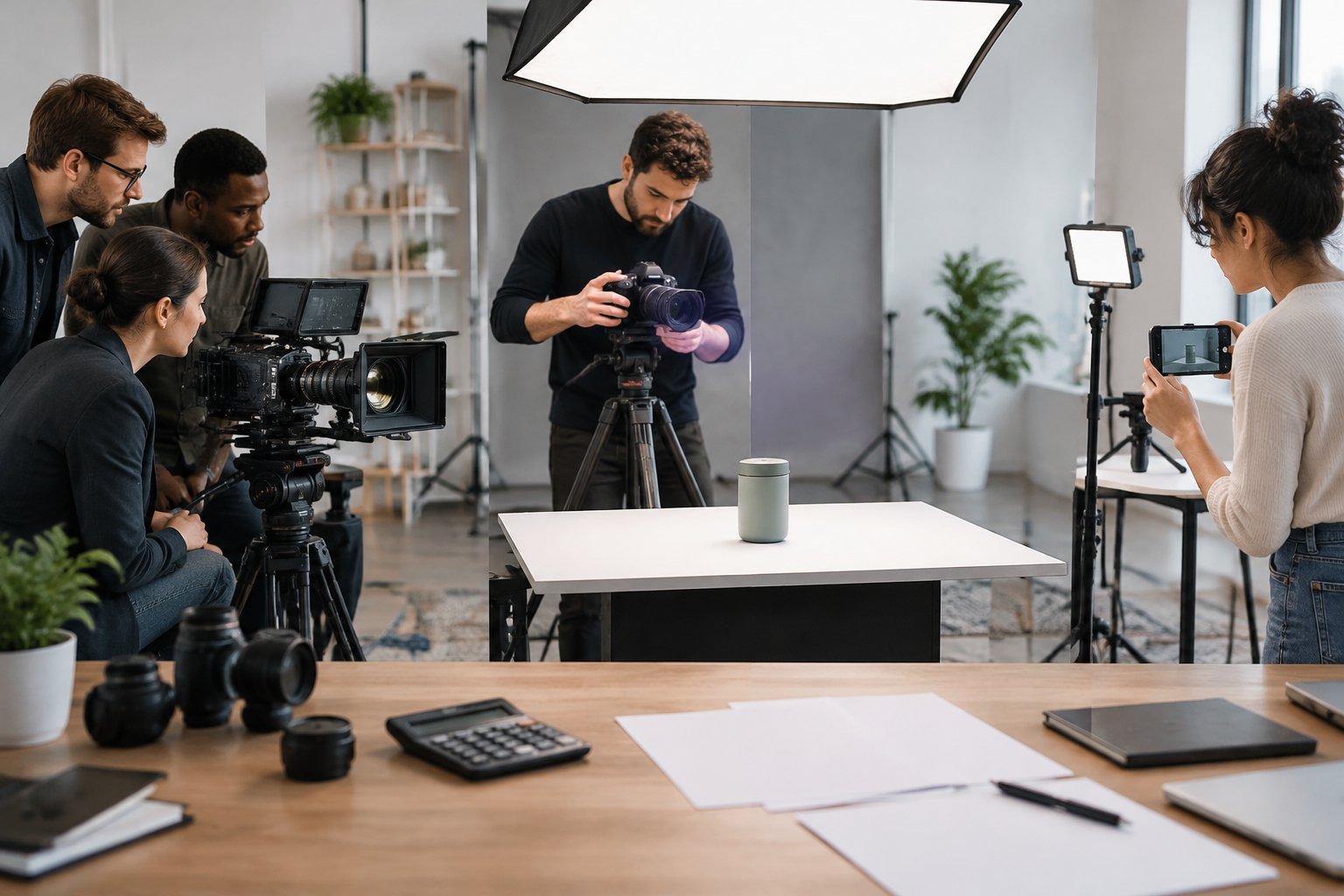
A video production agency bundles creative direction, a full crew, and post-production into one quote, typically $4,500 to $50,000 per project depending on complexity and deliverables. Professional video production at this level includes a producer or director, camera operator, sound, lighting, and an editor, plus revisions and multiple format exports. Agencies also tend to standardize process, so a product video pricing structure often appears as a package rather than a single line item.
Which Option Fits Your Budget and Internal Capacity?
DIY makes sense when a brand has one or two products, someone on staff with camera skills, and no urgent deadline. Freelancers fit single-project needs where scope stays simple. Agencies fit brands that need multiple deliverables, consistent quality across a catalog, or a coordinated strategy tied to advertising and listing performance, which is where a structured outsourced production partner becomes more cost-effective than piecing together freelancers project by project.
How Does the Video Format Change the Price?
Video format changes price more than almost any other variable, because an Amazon listing clip, a product demo video, and a cinematic brand film require entirely different levels of crew, animation, and post-production work. A 15-second Amazon video and a two-minute launch film can differ by 10x or more even though both fall under “product video.”
Amazon Listing and Ecommerce Product Showcases
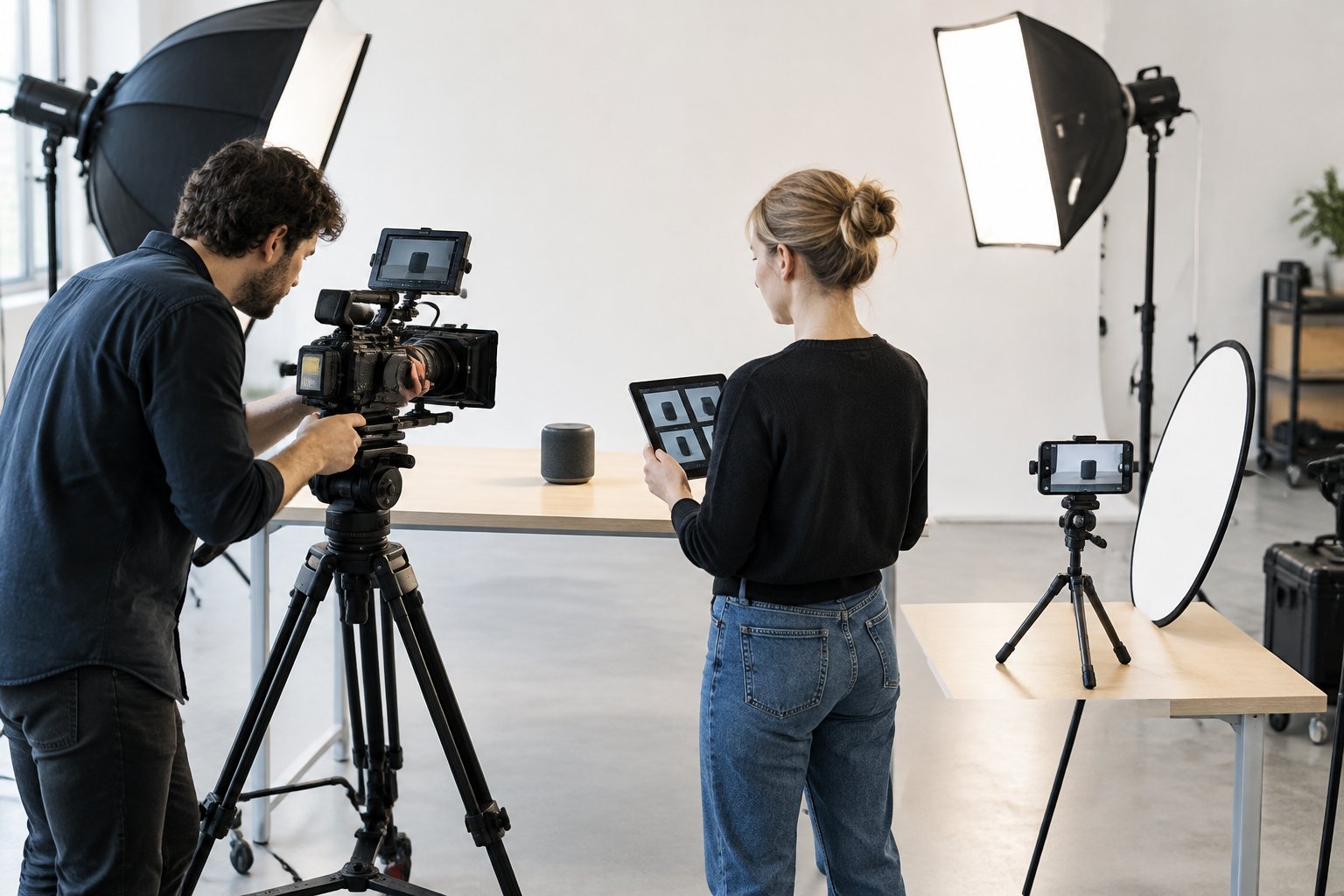
Ecommerce video production cost for a listing clip or product showcase typically runs $1,000 to $10,000 per video, with simpler single-product shoots at the lower end. These videos usually need tight framing, clean lighting, and a short runtime built for mobile viewing. Brands managing a large catalog often find it worth reviewing tips for Amazon product video optimization before booking a shoot, since listing requirements shape the shot list more than creative preference does.
Learn more about outsourced production.
Product Demos and Animated Explainers
A product demo video typically costs $1,500 to $5,000 per finished minute for live-action, while an explainer video cost for animation runs $3,000 to $15,000 per finished minute depending on style. Demos work best as live-action when the product has a clear physical benefit to show. Explainer video cost rises fastest with custom illustration, character animation, and voiceover, since every added visual element adds design hours.
UGC Reviews, Unboxings, and Social Ads
A UGC creator typically charges $150 to $1,000 per video before usage rights, making this the most affordable route to volume for social ads and retargeting. Unboxings and review-style clips favor authenticity over polish, so a phone camera and natural lighting often outperform a studio setup for this format. Brands running Amazon video advertising often pair a handful of UGC-style ads with one higher-production hero video to cover both performance and brand goals.
Lifestyle Launch Films and 3D Product Visualizations
A lifestyle brand film or launch piece runs $15,000 to $50,000 or more, reflecting multi-day shoots, talent, and custom animation. Product visualization through 3D rendering offers an alternative for catalogs that need many angles and scenes without repeated physical shoots. Brand storytelling at this tier depends on pre-production depth as much as shoot day execution, since concept and script quality determine whether the finished film actually lands with viewers.
What Actually Drives a Production Quote?
Video production cost comes down to six variables: pre-production depth, crew size, location, post-production scope, talent, and revisions. These line items explain why two quotes for what sounds like the same video can land tens of thousands of dollars apart.
Pre-Production: Creative Direction, Scripts, and Planning
Pre-production typically takes 15% to 25% of a production budget and covers scripting, storyboarding, location scouting, and shot lists. Creative direction decided here saves money later, since fixing a weak concept in the edit costs far more than fixing it on paper. A tight script also shortens the shoot day, which lowers crew costs directly.
The Shoot: Crew, Talent, Locations, and Product Complexity
Production usually accounts for 30% to 55% of total cost, with crew as the single biggest line item. A director of photography runs $800 to $3,000 a day, a sound mixer or gaffer $600 to $1,200, and a production assistant $150 to $400. Location matters too: filming in your own office costs little, while studio rental or travel adds setup time and fees on top of labor.
Post-Production: Editing, Animation, Color, and Sound
Post-production typically takes 25% to 50% of the budget and includes editing, color grading, motion graphics, and sound design. A clean cut-and-color edit sits at the lower end, while custom animation and advanced motion graphics push costs toward the top of any range. Captions, thumbnail design, and extra aspect ratios for social platforms are often priced per format rather than bundled into a single fee.
Why Video Length and Cost per Finished Minute Can Mislead
Cost per finished minute is useful as a sanity check, not as a quoting method, because most of a shoot’s cost is fixed before the first minute is cut. A crew day costs the same whether the final video runs 30 seconds or three minutes, so a short cutdown is rarely a fraction of the longer video’s price. A 30-second product clip and a 30-second brand film can differ by 20x in cost because the gap lives in crew, locations, and polish, not runtime.
How Can You Compare Quotes and Build a Complete Budget?
Comparing video production quotes requires matching scope line by line, since two bids for the same brief can hide very different deliverables. A low quote that excludes social cutdowns or revision rounds often costs more once those gaps surface mid-project.
Match Deliverables, Aspect Ratios, and Revision Allowances
Check whether each video production quote includes a single master file or multiple formats, since format variations for 9:16 and 1:1 placements typically run $50 to $300 each when priced separately. Confirm how many revision rounds are included, since extra rounds beyond the agreed one or two often bill at $500 to $2,000 each. A product video budget built without this detail tends to balloon once stakeholders start requesting changes.
Check Music, Talent Usage, Source Files, and Ownership
Music licensing for a smaller artist’s track typically runs $50 to $150, while a big-name song can cost several thousand dollars. Confirm who owns the raw footage and project files once the job wraps, since some vendors retain source files unless ownership is specified in the contract. Talent usage rights also matter if the video will run as a paid ad, since some footage licenses only cover organic posting.
Allow for Shipping, Reshoots, Rush Fees, and Product Updates
Rush timelines typically add 25% to 50% to a quote, so a tight deadline should be flagged before the budget is finalized. Product samples need to ship with enough lead time to arrive before the shoot date, and a packaging change mid-production can trigger a reshoot. Building a small contingency line into the video production budget absorbs these surprises without forcing a mid-project renegotiation.
A Worked Budget: One Hero Video and Multiple Ad Variations
A practical budget for one hero product video plus five short social cutdowns might run: $900 for a half-day freelance shoot, $1,200 for multi-source editing with two revisions, $400 for color and sound, $250 for template motion graphics, and $150 per additional cutdown format. That totals roughly $3,300 to $4,000 for a lean freelance build, compared with $6,000 to $10,000 for the same scope through a full-service agency. Brands testing several hooks at once often benefit from planning this kind of multi-asset shoot from day one rather than commissioning cutdowns later.
How Can You Reduce Costs Without Weakening the Creative?
Reducing video production costs comes down to batching shoots, using AI for volume, and testing before committing to a full production run. None of these tactics requires cutting corners on the finished product.
Batch Products and Plan Reusable Footage
One production day that captures footage for ten videos costs far less per video than ten separate shoot days, since crew and setup are paid for once. Planning a quarter’s worth of content ahead of time lets a single shoot day produce a hero video plus a dozen cutdowns. This approach works especially well for catalogs where lighting and background stay consistent across SKUs.
Use AI-Assisted Variations With Human Quality Control
AI-generated content can turn one base shoot into many ad variations by adjusting hooks, captions, or pacing without reshooting. The tradeoff is that AI output still benefits from a human review pass to catch awkward motion, mismatched branding, or an off-tone script. Brands weighing this route often start with our comparison of an AI creative agency against freelancers and DIY tools to see where each option fits a given budget and timeline.
Test Hooks and Messages Before Scaling Production
Creative testing on a small batch of cheap variants before committing to a full shoot avoids spending a full production budget on an unproven concept. A handful of low-cost UGC-style clips can validate which hook or angle resonates before a brand invests in a higher-polish version. This sequencing protects the budget for the concept that actually performs.
Measure Cost per Usable Asset Alongside Campaign Results
Cost per finished minute tells only part of the story; cost per usable asset, meaning the number of cutdowns and formats that actually get used in a live campaign, gives a clearer read on value. A $5,000 shoot that yields eight usable ad variations costs less per asset than a $2,000 shoot that produces only one. Tracking this number over several projects helps a brand spot which production partner delivers the most reusable creative per dollar.
Choose the Production Model That Fits Your Growth Plan
Product video cost ranges from a few hundred dollars for a DIY clip to tens of thousands for a fully produced agency campaign, and the right choice depends on volume, timeline, and how much the creative needs to carry a campaign. Brands running a handful of ads a year can often justify a freelancer or a lean DIY setup. Brands scaling advertising across Amazon, Meta, and TikTok typically need a steadier pipeline of tested creative, which is where coordinated video production services pay for themselves through consistency and speed. Matching the production model to actual output needs, rather than defaulting to the biggest or cheapest option, keeps the budget aligned with what the campaign actually requires.
Frequently Asked Questions
How much does a 30-second product video cost?
A 30-second product video typically costs $500 to $3,000 through a freelancer and $1,500 to $5,000 through an agency, depending on crew size and post-production. Simple single-camera shoots with light editing sit at the lower end, while versions with motion graphics or multiple locations push the price higher.
How much does a 60-second product video cost compared with a two-minute video?
A 60-second video does not simply cost half of a two-minute video, since most of the cost comes from crew and setup rather than runtime. A 60-second product video often runs close to the same price as a two-minute version if both require the same shoot day and crew, typically $1,500 to $10,000 depending on complexity.
How much should I budget for editing existing product footage?
Editing-only work, where raw footage already exists, typically costs $200 to $2,500 per video depending on length and complexity. A simple cut-and-color pass sits near the bottom of that range, while a multi-source edit with motion graphics and sound design sits near the top.
Are video production retainers cheaper than one-off projects?
Retainers typically cost $2,000 to $20,000 a month and become more cost-effective than per-project pricing once a brand needs four or more videos a month. Below that volume, project-based pricing or a freelancer usually works out cheaper.
What should a product video production package include?
A complete package should include a creative brief or script, the shoot day with crew and equipment, editing with at least one revision round, and delivery in the aspect ratios needed for each platform. Confirming ownership of source files and any music licensing terms before the project starts avoids disputes after delivery.