

Amazon Liquidation Stores offer a practical way to buy overstocked, returned, or unsold goods at reduced prices. They sell bulk lots or pallets of items directly from Amazon’s inventory, giving buyers access to discounted merchandise that’s often brand new or nearly new.
This approach helps Amazon clear space in its warehouses while allowing buyers to find valuable products for personal use or resale.
These stores differ from traditional discount outlets because the items come grouped as “lots” containing a mix of products. Each lot is listed with a manifest showing what’s included, making purchases more transparent and predictable.
Buyers can find these stores online or through liquidation marketplaces that partner with Amazon.
Many small businesses and resellers use these opportunities to stock up on inventory at low cost. By analyzing each lot carefully and managing shipments efficiently, they can turn surplus goods into profit without relying on full retail pricing.
If optimizing every listing yourself is more than you have time for, the Signalytics product listing optimization service handles titles, images, and keywords end to end.
Key Takeaways
- Amazon Liquidation Stores sell returned or overstocked items in bulk at reduced prices.
- Each lot includes a detailed product list for clear and fair purchasing.
- Buyers and resellers can use these stores to source inventory and save money.
What Is an Amazon Liquidation Store?
An Amazon liquidation store sells returned, overstocked, or unsold products at reduced prices. These stores help clear warehouse space while giving buyers access to discounted items ranging from electronics to home goods. They often operate both online and locally through bin stores or liquidation warehouses.
Overview of Liquidation Stores
An Amazon liquidation store works as a resale channel for Amazon’s excess inventory. When customers return items or when stock doesn’t sell, Amazon sends these goods to liquidation platforms. These platforms then group items into pallets or lots and sell them in bulk to resellers or individual buyers.
Buyers can find these products on verified marketplaces such as B-Stock, Direct Liquidation, and 888 Lots. Some warehouses also purchase large volumes directly and sell items in physical liquidation stores. Everything is typically sold as-is, which means conditions vary from brand new to damaged or missing parts.
Liquidation stores benefit several groups. Amazon reduces waste and storage costs, small business owners gain affordable inventory, and consumers get access to lower-cost products. Pricing often ranges from 50% to 90% below retail, depending on demand and condition.
Types of Products Available
The inventory in Amazon liquidation and bin stores changes frequently. Common product types include:
| Category | Typical Condition | Example Items |
|---|---|---|
| Electronics | New, refurbished, or returned | Headphones, tablets, smartwatches |
| Home goods | Overstock or open box | Small appliances, kitchen tools |
| Apparel | Shelf pulls or unsealed returns | Shoes, jackets, accessories |
| Toys & games | Overproduction or mixed returns | Board games, puzzles, kids’ gadgets |
Some stores specialize by category, while others offer mixed pallets. Items may arrive in bulk boxes, bins, or on shelves labeled by price. Buyers often inspect items before purchase, especially in local liquidation or bin stores. Stock turnover happens quickly, so deals can vary daily.
Many resellers focus on specific niches like electronics or clothing to reduce risk and improve margins. Understanding shipping costs, defect rates, and resale value helps buyers make informed decisions when sourcing from liquidation stores.
Reaching shoppers off Amazon takes programmatic buying this breakdown of how Amazon DSP works covers audiences, formats, and targeting.
How Bin Stores Operate
Bin stores are physical liquidation locations where items are sorted into large bins for shoppers to browse. Products are usually unsorted and priced by the day of the week. For example, items might start at $10 on opening day and drop in price daily until the next restock.
These stores buy pallets of Amazon returns or overstock and then distribute them across bins. Shoppers dig through merchandise to find valuable or high-demand items at steep discounts. Because each bin may contain mixed goods, shopping often feels like a treasure hunt.
Bin stores manage costs by selling volume rather than individual product quality. Returned or damaged packaging is common, but many items remain functional or new. Customers who visit regularly tend to find the best deals since inventory rotates after each sale cycle.
How Amazon Liquidation Stores Work
Amazon liquidation stores handle overstock, shelf pulls, and customer returns by reselling them in bulk at reduced prices. These operations help Amazon clear warehouse space efficiently while allowing buyers to access discounted merchandise for resale or personal use.
Amazon Returns and Inventory Sources
Amazon’s inventory for liquidation comes from returned, excess, or unsold products. Items might include customer returns that can’t be restocked, slow-moving goods from third-party sellers, or products with outdated packaging.
Get in touch with professional Amazon listing optimization services
Returned goods often go through an inspection process. Some may be in new condition, while others show minor cosmetic wear. Instead of discarding them, Amazon moves these items into liquidation channels to recover part of their value.
Liquidation stores also receive “surplus” or “refurbished” stock when warehouse capacity becomes limited. By transferring this inventory into bulk sales, Amazon reduces storage costs and keeps its supply chain flexible. This process ensures continuous inventory turnover and minimizes waste.
Liquidation Pallets and Buying Process
Amazon liquidation stores sell items grouped into liquidation pallets or lots. Each pallet contains a variety of goods such as electronics, clothing, household tools, or toys. Buyers usually do not know the exact condition of every item unless the pallet includes a detailed manifest.
These pallets are sold through online auction platforms or direct-sale websites like B-Stock, Liquidation.com, and Direct Liquidation. Buyers place bids or purchase lots at set prices, then arrange shipping or pickup.
A small business or individual can start with one pallet to test quality before scaling up. Pallet sizes and categories vary, so checking listing details such as weight, item count, and shipping costs helps buyers estimate profit potential.
Once you’ve mastered Sponsored Ads, programmatic display is the next lever here’s how Amazon DSP works and when it’s worth adding.
Pricing Models and Sales Policies
Pricing for liquidation goods depends on the product category, condition, and demand. Amazon and partner platforms use either auction-style or fixed-price models. Auctions often start at a lower bid to attract buyers, while fixed listings reflect preset discounted rates.
Typical discounts range between 50%–90% below retail value, but profits depend on resale strategy and repair costs. All purchases are considered final sales, meaning goods are sold as-is with no returns or guarantees.
Buyers must factor in shipping, handling, and refurbishing expenses when calculating total cost. Each marketplace sets clear rules on payment, delivery timelines, and buyer verification, which helps maintain fair and traceable transactions. Read more about Amazon PPC Marketing: Strategies, Optimization, and Success Metrics.
Finding Amazon Liquidation Stores Near You
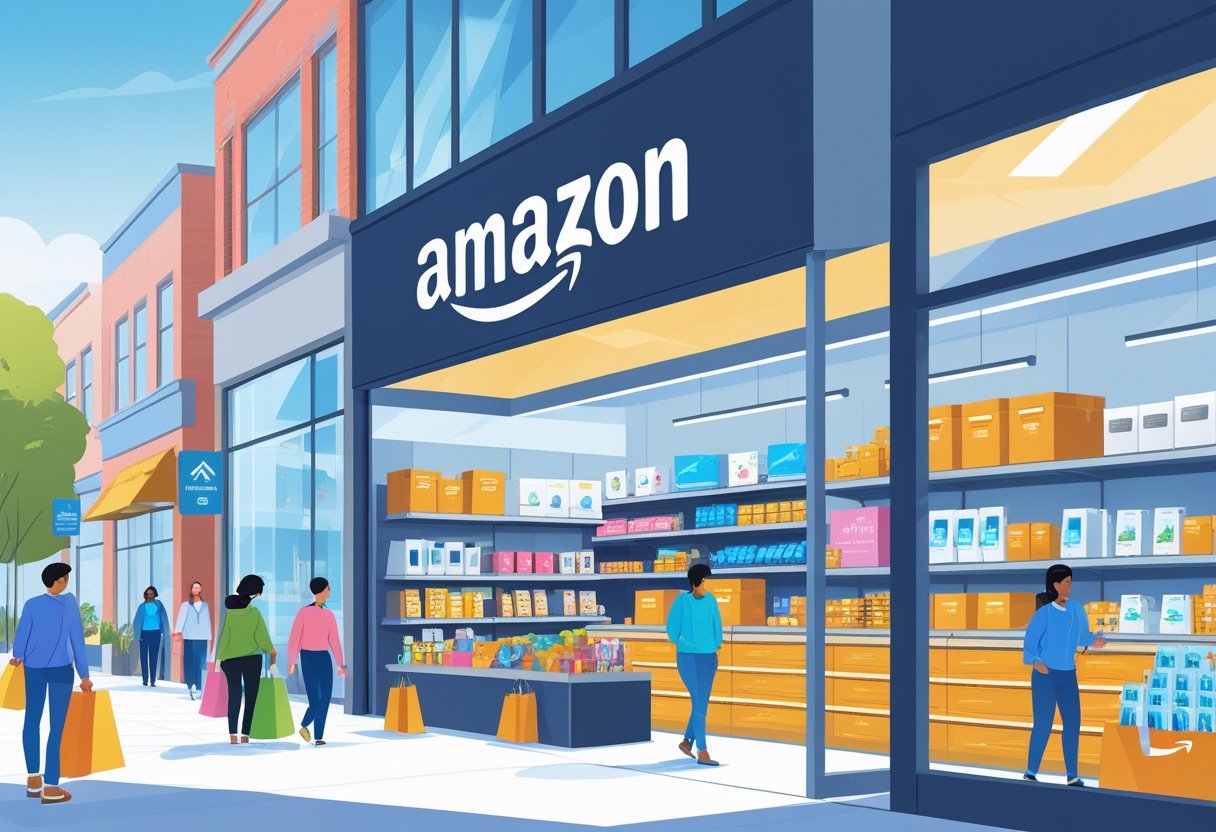
Amazon liquidation stores give shoppers access to discounted goods from returns, overstocks, and excess warehouse items. Buyers can locate these stores online or in their area and learn how to identify genuine Amazon liquidation products before making purchases.
Amazon 401k Match: How the Program Works and Maximizing Benefits
Using Directories and Online Tools
Many websites list Amazon liquidation and bin stores across the United States. Directories such as Liquidation Map, The Bin Finder, and Liquidation Store Finder let users filter by state, city, or store name. These tools often include links to each store’s site or social media for location details, business hours, and special promotions.
Using Google Maps or the Amazon Outlet locator can also help identify authorized outlets, Amazon 4-star stores, and other resale locations. Some third-party apps provide reviews, inventory notes, and customer photos of typical finds.
Learn in detail about Tiktok Shop Management Services
When browsing these resources, shoppers should check for terms like Amazon returns, overstock pallets, or warehouse liquidation. This wording indicates the store sources items through Amazon’s liquidation or reverse logistics programs rather than general overstock merchandise from other retailers.
What to Expect In-Store
Most liquidation or bin stores have warehouse-style layouts. Inventory usually changes weekly or even daily as new pallets arrive from Amazon fulfillment centers or third-party resellers. Shoppers can expect to find mixed categories such as electronics, home goods, toys, and tools stacked in large bins or shelves.
Prices often drop each day of the week. For example:
| Day | Typical Pricing Trend |
|---|---|
| Friday | New inventory at highest prices |
| Saturday | Slight discounts |
| Sunday | Deeper markdowns |
| Monday–Wednesday | Lowest prices; limited selection |
Items are typically sold as-is and might include open-box or gently used products. Customers should inspect packaging, test electronics if possible, and verify that accessories are included.
Some locations allow bulk purchases or pallet sales, especially for resellers. Asking about restock schedules and return policies can also help make the most of each visit.
Identifying Amazon Liquidation Inventory
Recognizing real Amazon liquidation items helps avoid confusion or counterfeit stock. The main clue is the LPN sticker, a white barcode label that begins with “LPN.” It identifies products processed through Amazon’s internal tracking system, usually as returns or excess inventory.
Another marker is the Amazon FC (Fulfillment Center) sticker, often orange. These labels appear on overstock or warehouse-damaged merchandise that never reached a customer, meaning the product is typically new or in near-new condition.
Buyers should look for these identifiers when sorting through bins or pallets. Knowing what the labels mean makes it easier to spot genuine Amazon items, estimate condition, and decide what’s worth buying for personal use or resale.
Opportunities for Resellers and Buyers
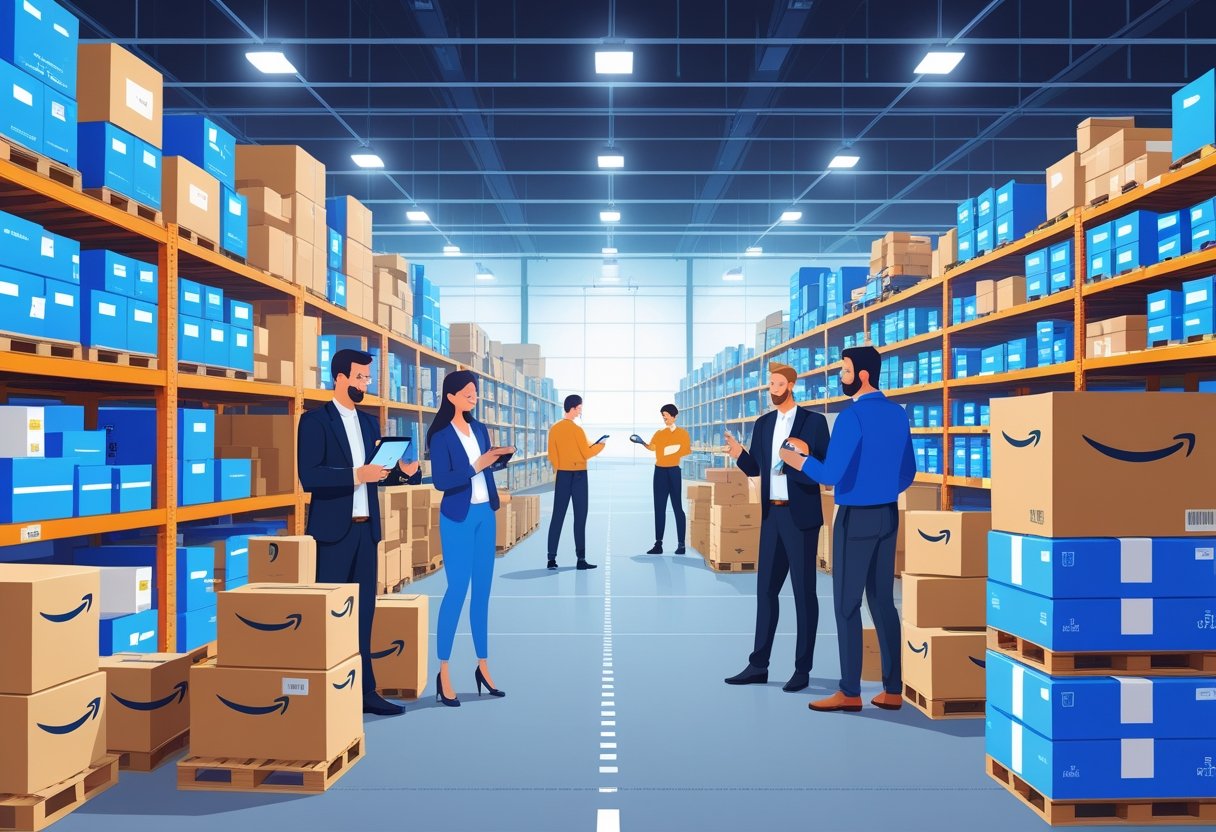
The Amazon Liquidation Store provides access to discounted items and returned goods that can help small businesses and individual resellers expand inventory at lower cost. It creates a direct link between Amazon’s surplus stock and those seeking reliable sources for bulk merchandise.
Why Resellers Choose Liquidation Stores
Resellers use liquidation stores to secure branded products well below retail prices. These stores supply a consistent flow of overstocked, returned, or unsold items. For many, it’s a way to lower upfront risk while gaining access to varied categories such as electronics, clothing, and home goods.
The Amazon Liquidation Store often features new and unopened items rather than heavily used goods, which attracts sellers who prefer higher-quality inventory. Buyers value the transparent Lot Manifest, which lists exact quantities, item types, and pricing for each pallet or lot.
Below are a few common reasons resellers choose liquidation sources:
| Reason | Benefit |
|---|---|
| Lower cost per unit | Higher resale margins |
| Access to branded products | Builds customer trust |
| Bulk availability | Reduces restocking gaps |
| Direct purchase from Amazon | Ensures authenticity |
Many find this method efficient for scaling small resale operations or testing new product categories without large investment.
Strategies for Maximizing Profits
To profit from liquidation purchases, resellers focus on analysis and organization. Before buying, they research market demand and check how fast similar products sell on various online platforms. Tools like Helium 10 or manual pricing comparisons help estimate true value and avoid overpaying for slow sellers.
Successful resellers also manage storage carefully. They separate items by condition—new, open-box, or minor defect—and photograph them accurately for clear listings. Transparent descriptions reduce customer disputes and build credibility.
Amazon Reimbursement Services: Maximize Your FBA Refunds in 2026
Timing matters too. Buying seasonal products early and listing them just before peak shopping periods can increase turnover. Keeping detailed cost and sale records helps track margins and refine future pallet selections.
Popular Marketplaces for Reselling
Those who buy from the Amazon Liquidation Store often turn to other platforms for resale since Amazon restricts reselling these products on its marketplace. eBay is the most common choice due to its large customer base and flexible return policies.
Many also explore Facebook Marketplace, Poshmark, and local sales through flea markets or bin stores. These channels help move smaller or mixed lots quickly. Sellers handling bulk categories like electronics or appliances may even use regional wholesale networks to reach retailers directly.
Each marketplace offers distinct advantages: eBay’s reach, Facebook’s local convenience, and niche platforms’ focused audiences. Resellers often test multiple channels to learn where their specific products sell fastest and yield the best returns.
Managing Inventory and Maximizing Value
Efficient inventory management helps businesses reduce waste, recover value, and maintain consistent cash flow. By combining accurate data tools with smart risk control, sellers can make informed choices when dealing with liquidated or returned goods.
Inventory Analysis and Sourcing Tools
Inventory analysis identifies which items move quickly and which cause high storage costs. Sellers often use Amazon’s inventory management dashboard to track performance, identify excess stock, and mark products for the FBA Liquidations program.
This process helps reduce long-term storage fees and prevents unsold goods from tying up capital.
Reliable sourcing tools also help assess the potential value of liquidation pallets. Tools that track demand, pricing history, and return rates give sellers insight before purchasing bulk lots. For instance, comparing average selling prices and historical sales trends makes it easier to decide which products are worth acquiring.
A simple tracking table can make analysis more actionable:
| Metric | Purpose | Example Tool |
|---|---|---|
| Sell-through rate | Measure product demand | Amazon Inventory Dashboard |
| Storage cost | Identify costly stock | Seller Central reports |
| Recovery rate | Track resale value | FBA Liquidation summary |
Understanding Risks and Returns
Liquidation buying and resale can provide steady value recovery, but it comes with risks. Returned goods may have damage, missing parts, or low resale potential. Evaluating condition categories—new, like new, used, or salvage—before purchase helps limit losses.
To balance profit and risk, sellers often test small quantities first or work with verified liquidation partners. This step ensures transparency and predictable outcomes.
Returns from Amazon’s liquidation program might yield lower margins, but they help clear space and free working capital.
Are you struggling managing your Tiktok Shop? Get in touch now
Managing both expectations and process consistency allows sellers to handle liquidation pallets confidently, focusing on measurable results rather than speculative gains.
Frequently Asked Questions
Amazon liquidation stores give customers a chance to buy returned, overstocked, or refurbished products directly or through auctions and pallets. These outlets serve both personal shoppers and small resellers seeking discounted prices on various goods.
How can I find an Amazon liquidation store near me?
Many Amazon liquidation outlets are independently operated and may appear under names like “bin stores” or “liquidation warehouses.” Customers can search online for terms such as Amazon liquidation store near me or check platforms that resell Amazon returns. Some stores also list their locations on business directory sites or social media pages.
What type of items can be purchased at an Amazon liquidation store?
Inventory often includes electronics, appliances, clothing, tools, furniture, and accessories. Products vary by shipment, so availability changes regularly. Most items come from Amazon’s returned, overstock, or refurbished stock, and the condition is usually labeled as new, open box, used, or scratch and dent.
What is the difference between Amazon liquidation pallets and auctions?
Liquidation pallets include bulk bundles of items sold at a fixed or negotiated price. Auctions, on the other hand, allow buyers to bid on lots, with final prices determined by demand. Pallets are often preferred by resellers who want predictable quantities, while auctions can provide deeper discounts but come with more price uncertainty.
Are there any specific locations for Amazon liquidation stores in Florida?
Yes, several independent liquidation outlets and bin stores in Florida sell merchandise sourced from Amazon. Cities such as Orlando, Tampa, and Miami often host these stores. Availability and operations can change, so it is recommended to check local listings and confirm current hours or stock conditions before visiting.
How does the purchasing process work at an Amazon liquidation auction?
Buyers register on Amazon’s liquidation marketplace or authorized auction platforms. Each auction lists details such as product category, quantity, and condition. After bidding closes, the highest bidder pays for the lot, arranges shipment or pickup, and receives the items in one or more pallets.
Can individuals buy from Amazon liquidation stores or are they only for businesses?
Most liquidation stores welcome individual customers. Some wholesale and pallet sales may require a resale certificate, especially when bought directly from Amazon’s liquidation partners. Local bin stores usually allow retail shoppers to purchase single items without business credentials.