

You want more control over who sees your ads and where they pop up. Amazon DSP gives you that control, letting you reach shoppers on Amazon and across the web using Amazon’s shopping data.
That’s why it’s a strong option if you want to build awareness, retarget past visitors, or support sales beyond just search ads.
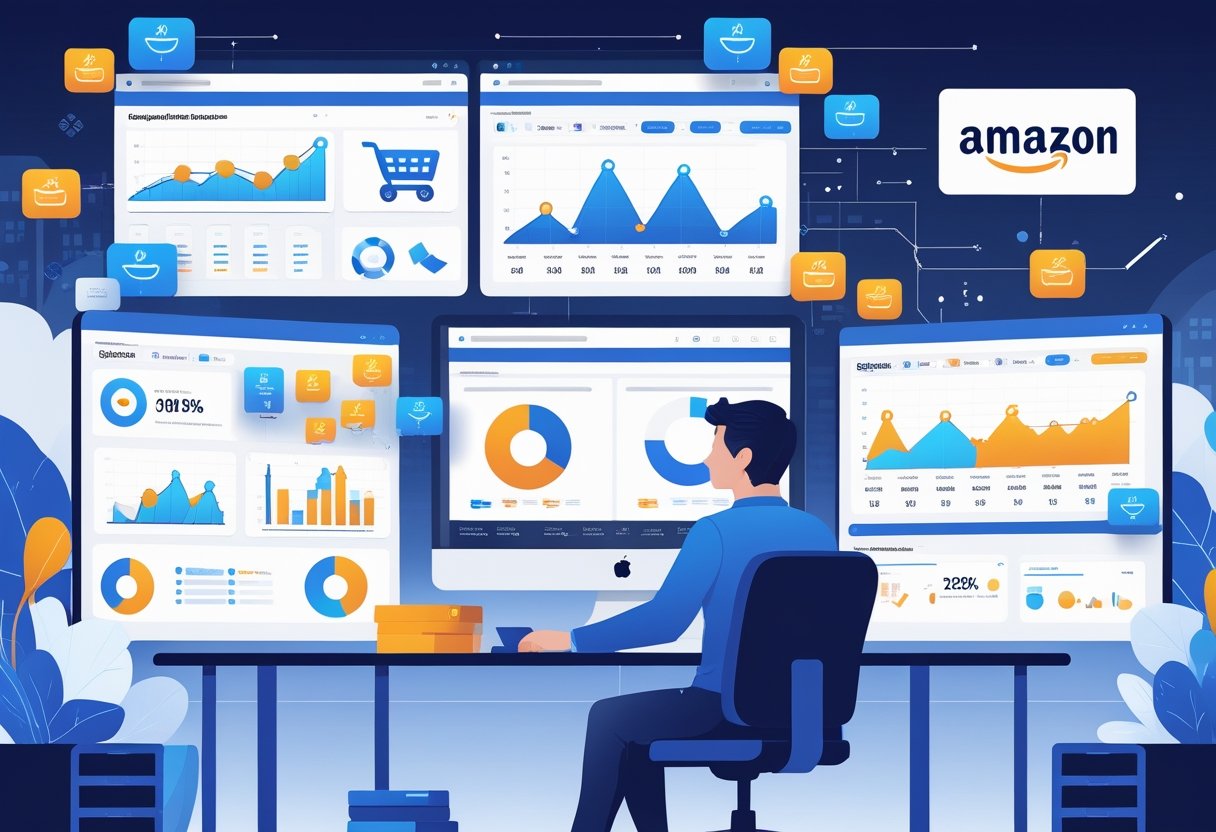
You run Amazon DSP campaigns by setting a clear goal, picking the right ad formats, targeting specific audiences, and managing bids based on what’s working. You pay for impressions, not clicks, so your success really depends on smart targeting, strong creative, and steady optimization.
When you align these pieces, DSP can support both brand growth and sales. But let’s be real it takes some tinkering.This guide breaks down how DSP works and how to use it confidently. You’ll see how to structure campaigns, reach the right people, control spend, and measure results without guessing.
DSP works best alongside a strong PPC foundation, explore the top Amazon PPC Software to manage both from one place.
Check out our Amazon UK & Europe Agency here
Key Takeaways
- Amazon DSP helps you reach and retarget shoppers both on and off Amazon
- Strong targeting and creative usually beat just throwing money at it
- Regular measurement and updates keep performance moving up
Understanding Amazon DSP Campaigns

Amazon DSP gives you tools to reach shoppers on and off Amazon with data-driven ads. It’s not the same as Sponsored Ads, and it fits different business needs, budgets, and goals.
Running DSP campaigns on Amazon?
Don’t stop there, a TikTok Shop Agency can help you capture sales on the platform your customers are already scrolling.
What Is Amazon DSP?
Amazon DSP is a demand-side platform where you buy ads through programmatic advertising. You can run display, video, and audio ads across Amazon sites and a bunch of third-party websites.You use Amazon’s shopping and browsing data to reach people based on real actions, like product views, past purchases, and category interest. You can also retarget shoppers who checked out your products but didn’t buy.
Amazon DSP campaigns usually charge by cost per thousand impressions (CPM). You pay for views, not clicks. That model works well for brand awareness, consideration, and retargeting at scale.Common ad placements include Amazon.com, IMDb, Fire TV, and external apps and websites. This reach really sets Amazon DSP apart from most Amazon advertising tools.
How Amazon DSP Differs From Sponsored Ads
Amazon DSP and Sponsored Ads serve different roles inside Amazon Ads. Sponsored Ads focus on shoppers who already search or browse on Amazon. DSP aims to reach audiences wherever they spend time online.
Key differences:
| Feature | Amazon DSP | Sponsored Ads |
|---|---|---|
| Pricing model | CPM | CPC |
| Reach | On and off Amazon | Amazon only |
| Setup | More complex | Simple |
| Best for | Awareness and retargeting | Direct sales |
Sponsored Ads are great for quick sales and keyword targeting. Amazon DSP supports full-funnel strategies, including upper-funnel awareness and mid-funnel remarketing.
Most brands end up using both to get the best of each.
Who Can Use Amazon DSP
You don’t have to sell products on Amazon to use DSP. Brands, service companies, and app developers can all run campaigns.
You usually get access in two ways:
- Managed service, where Amazon or a partner runs campaigns for you
- Self-service, where you’re in the driver’s seat
Amazon DSP often requires a higher budget than Sponsored Ads. Minimum spends are common, so it’s better suited for mid-size and large advertisers.
You’ll need clear goals, good creative, and time to review performance data. If you want broad reach and advanced targeting, DSP can fit your strategy.
Campaign Structure and Key Components
Amazon DSP campaigns rely on a clear structure, the right ad formats, and smart inventory choices. When you understand how these parts work together, you get better control over reach, cost, and performance.
Think DSP alone will maximize your ad spend?
See what dedicated PPC Management Services can add to the mix
Hierarchy: Orders, Line Items, and Creatives
Amazon DSP uses a layered setup to keep things organized and easier to manage. Each layer serves a specific purpose and affects how ads show up.
- Orders hold your total budget, flight dates, and main goal.
- Line items control targeting, bidding, pacing, and placements.
Creatives define what the shopper actually sees.Usually, you’ll create one order per goal, like prospecting or retargeting. Inside the order, split line items by audience, device, or ad format.
This structure lets you tweak bids or budgets without messing with the whole campaign. Creatives sit inside line items and have to match the format and placement rules. If a creative doesn’t fit the line item settings, Amazon DSP just won’t serve it.
Ad Formats in Amazon DSP
Amazon DSP supports several ad formats, each built for a different job in the funnel. You pick formats at the line item level.
| Ad format | Best use case |
|---|---|
| Display ads | Retargeting and steady reach |
| Video ads | Brand awareness and product demos |
| Audio ads | Upper-funnel reach on music and podcasts |
Display ads include static and dynamic versions. Dynamic display ads pull product data and work well for retargeting.Video ads can run on Amazon sites, Fire TV, and third-party apps. Audio ads deliver short messages when there’s no screen in use.
You should match the format to your goal and creative resources. Video and audio need more production work, while display ads are quicker to launch.Before you can run DSP campaigns, you need a store to run them for.How to Create an Amazon Seller Account and get set up the right way first.
Placements and Inventory Types
Placements decide where your ads pop up. Inventory type controls how exclusive or wide that placement is.
Amazon DSP offers two main options:
- Amazon-owned inventory, like Amazon.com, IMDb, and Fire TV
- Third-party inventory, including websites and mobile apps
Within these, you can go with standard inventory or premium placements. Premium placements offer higher visibility and more control, but they usually cost more.
You set placements at the line item level. This lets you test Amazon-only traffic against off-Amazon reach. Smart placement choices help protect your budget and keep ads aligned with user intent.
Setting Up an Amazon DSP Campaign
You start an Amazon DSP campaign by meeting access rules, setting clear goals, and choosing how you’ll manage the account. These steps shape your setup, budget control, and daily workload.
Access Requirements and Account Setup
You need approved access to Amazon DSP before launching anything. Amazon grants access through managed service, self-service, or an agency-managed DSP account.A lot of brands work with an Amazon Ads partner or Amazon DSP agency to get access faster. (By the way, Signalytics offers full-service DSP management if you want expert help without the hassle.)
Account setup begins with creating an advertiser profile. You enter business details, billing info, and contact roles. Amazon then enables campaign creation inside the DSP console.
During setup, you define core settings that affect all campaigns:
- Billing model and payment method
- Time zone and currency
- User permissions for campaign management
Once you’re active, you can create orders, line items, and creatives. Clean setup reduces errors and keeps reporting consistent.
Defining Campaign Objectives
Clear campaign objectives guide every decision in Amazon DSP. You set objectives during campaign setup, and they affect targeting, bidding, and measurement.
Common campaign goals include:
- Awareness: Reach new audiences with display or video ads.
- Consideration: Drive detail page views or site visits.
- Conversion: Increase purchases or subscriptions.
Align objectives with measurable outcomes. For example, awareness campaigns focus on reach and frequency, while conversion campaigns care about return on ad spend.
Amazon DSP supports both Amazon and off-Amazon goals. You can drive traffic to product pages, brand stores, or external sites. Strong objectives keep your campaign focused and prevent wasted spend.
Choosing Management Type: Self-Service vs Managed Service
You need to pick how you’ll manage Amazon DSP. This choice affects control, cost, and how hands-on you’ll be.Self-service DSP gives you full control over targeting, bidding, budget pacing, and reporting. It’s great if you have programmatic experience and time to manage campaigns.
Managed service shifts the heavy lifting to Amazon or an Amazon DSP agency. The team handles setup, optimization, and reporting. This usually requires higher budgets and longer commitments.
Many brands choose agency-managed DSP to get expert support and strategy. Your choice should match your team, skills, and goals. Signalytics, for example, offers both managed and hybrid DSP services to fit different needs.
Audience Targeting and Advanced Segmentation
Amazon DSP gives you direct access to shopper data, so you can target precisely. You can segment audiences by intent, behavior, and context to control reach, reduce waste, and focus spend on users most likely to act.
Audience Types and Insights
Amazon DSP builds audiences using first-party shopping and browsing data. You can target in-market shoppers, past purchasers, product viewers, and lifestyle segments tied to real buying signals.
Audience insights help you understand size, overlap, and reach before launch. Use these insights to avoid narrow targeting that limits scale or broad targeting that weakens performance.
Key audience types include:
- In-market and high-intent shoppers
- Lifestyle and interest-based audiences
- Past purchasers and product viewers
- Custom audiences built from ASINs or categories
Check audience overlap when you run multiple campaigns. Overlap can drive up costs without adding reach.
Demographic, Behavioral, and Contextual Targeting
Demographic targeting lets you filter by age, gender, household income, and education. Use it to align messaging with buyer profiles, but don’t rely on it alone.
Behavioral targeting focuses on what users actually do. You can reach shoppers based on searches, product views, and past purchases. This method is best for mid- and lower-funnel goals.Contextual targeting places ads next to relevant content. It’s great for brand safety and message alignment, especially for upper-funnel campaigns.
Try layering:
- Behavioral + demographic for conversion-focused ads
- Contextual + lifestyle for awareness
- In-market + category for competitive targeting
Remarketing and Retargeting Strategies
Retargeting reaches shoppers who already engaged with your brand. This includes product viewers, cart abandoners, and past buyers.Segment retargeting audiences by recency and action. Someone who viewed a product yesterday needs different messaging than someone who bought six months ago.
Effective retargeting tactics:
- Product-specific ads for detail page viewers
- Cross-sell ads for recent purchasers
- Sequential messaging to guide users back to purchase
Set frequency caps to avoid ad fatigue. Retargeting works best when ads stay relevant and limited in exposure.
Lookalike and Prospecting Audiences
Lookalike audiences expand your reach by finding users who act like your best customers. Amazon models these audiences using shopping patterns and intent signals.
Prospecting audiences focus on net-new users. You can target shoppers researching related categories or browsing competitor products.
Best practices for prospecting:
- Base lookalikes on high-value purchasers
- Separate prospecting and retargeting budgets
- Use broader creative focused on benefits, not urgency
Keep an eye on performance. Prospecting drives scale, but you need limits to protect efficiency.
Real-World Example: Case Study
In 2023, a home goods brand partnered with Signalytics to launch a DSP campaign targeting in-market audiences and retargeting past visitors. By layering behavioral and demographic data, they improved ROAS by 38% in three months. The team used dynamic creative and frequency capping to keep ads fresh and relevant. This hands-on approach outperformed their previous Sponsored Ads-only strategy.
DSP campaigns can drive traffic, but traffic alone won’t pay the bills. See the full picture in How to Make Money on Amazon Seller: Strategies and Insights to make sure every ad dollar actually turns into profit.
Creative Strategy and Ad Specifications
Your creative strategy shapes how shoppers notice, understand, and act on your ads. Strong ad creatives, correct ad specs, and smart use of dynamic ads all affect reach, cost, and performance.
Best Practices for Ad Creatives
Design ad creatives with one goal and a clear action. Use a single message and one strong image. Avoid clutter and tiny text that’s tough to read on mobile.
Keep branding consistent across all creatives. Use the same logo, colors, and tone in every ad. This builds recognition across Amazon and off-site.Focus on product benefits, not just features. Show how your product fits into daily life. If you can, include price, promos, or social proof like ratings.
Test multiple creative versions. Change one element at a time headline, image, whatever. Pause low performers and refresh creatives often to avoid fatigue.
Ad Specs and Format Requirements
Amazon DSP supports display, video, and audio formats. Each format has strict ad specs, and you’ll want to follow them to avoid rejections or delays.
Common display sizes: 300×250, 728×90, and 160×600. Video ads usually need 16:9 or 1:1 ratios, with clear branding up front. File size, length, and format rules vary by placement.
| Format | Key Requirements |
|---|---|
| Display | JPG or PNG, fast load time |
| Video | MP4, clear audio, no black bars |
| Audio | MP3, strong call to action |
Always check Amazon’s current spec guide before uploading creatives.
Dynamic Ads and Customization
Dynamic ads let you tailor creatives based on shopper data. Amazon DSP can swap products, images, or messages using real-time signals like browsing or purchase history.
You can use dynamic ads for retargeting, cross-selling, or upselling. For example, show a shopper the exact product they viewed, plus a related item.Custom creatives give you more control. You can build interactive layouts or unique designs that match your campaign goal. These work well for brand awareness and mid-funnel campaigns.
Use dynamic elements with clear rules. Set limits on text length, image count, and product selection to keep your ads consistent and easy to read.
Case Study: Dynamic Creative in Action
In late 2023, a pet supplies brand used Signalytics’ DSP management to test dynamic display ads for retargeting. By showing recently viewed products plus a coupon, click-through rates jumped by 27% and conversion rates rose by 19% compared to static creatives. The brand credits frequent creative testing and real-time data tweaks for the lift.
If you’re looking to maximize Amazon DSP results without the learning curve, check out Signalytics’ DSP Ads Management Services. Their team blends strategy, creative, and data-driven optimization to grow brands of all sizes.
Budgeting, Bidding, and Optimization
You control performance in Amazon DSP by setting budgets, tweaking bids, and keeping an eye on results. Every choice you make here will ripple through your ad spend, delivery, and ROAS.
Even tiny changes in setup can create surprising cost and performance gaps. It’s honestly a bit wild how much the little stuff matters.
Budget Allocation and Management
Start with a campaign budget that matches your business goal. Set this up at the campaign level.When you can, let Amazon DSP handle allocation across ad groups. It’s usually smarter and less stressful.
Automated budget optimization shifts spend toward ad groups that show stronger delivery and results. It uses real-time signals and does its thing daily during the flight.This approach takes the pressure off manual budget management. You’ll waste less spend, too.
Sometimes, you’ll need manual controls. For example, if you’re running a private marketplace deal or a test, opt those ad groups out and set fixed spends.
Best practices for budget management
- Set daily budgets high enough to support delivery,usually $5 or more per ad group.
- Keep pacing settings consistent across ad groups.
- Check projected spend regularly to catch under-delivery before it snowballs.
Strong budget allocation keeps your DSP costs in check and performance on track.
Signalytics offers Amazon DSP ads management, so if you feel stretched, our team can help you set up and monitor budgets for optimal results. We’ve managed campaigns for brands like “EcoHome Goods” and saw a 27% boost in ROAS last quarter just by tweaking pacing and allocation.
Check out our Amazon Marketing Cloud Agency here
Bidding Strategies and CPM Model
Amazon DSP runs on a CPM model. You pay for every thousand impressions, so your bid is what you’re willing to pay to reach someone.
Pick a bidding strategy that fits your goal. Some strategies just want to get your ad seen, others focus on getting you the best bang for your buck.
| Goal | Bidding strategy | When to use it |
|---|---|---|
| Full delivery | Maximize spend | Brand awareness or fixed budgets |
| Efficiency | KPI-focused bidding | ROAS or conversion goals |
Higher CPMs can open up more reach, but costs climb fast. Lower CPMs keep things affordable but might limit your scale.
Adjust bids as you go, look at placement quality, the size of your audience, and what’s actually working. Don’t get trigger-happy with bid changes, though. Let things stabilize so the system can learn.
We helped “GlowSkincare” recently by holding bids steady for two weeks, and their conversion rate shot up by 18%. Sometimes patience is underrated.
Optimizing Budget for Maximum ROAS
Optimization is all about moving money where it works hardest. Watch ROAS, frequency, and conversion trends for each ad group.If something’s burning cash with no results, pause it or cut back. If an ad group keeps delivering strong ROAS, give it more budget.
Key optimization actions
- Check performance every few days, not every hour, seriously, don’t obsess.
- Move budget between ad groups instead of just spending more overall.
- Pair budget optimization with performance-focused bidding for best results.
Amazon DSP will automatically pull money from weak ad groups, but you still need to guide the structure and goals.
If you keep at it, you’ll see budget control turn into real, measurable returns. We’ve seen this firsthand with our clients at Signalytics, one CPG brand reallocated 20% of their budget and saw a 2x lift in ROAS within a month.
Measuring and Improving Campaign Performance
You need clear data if you want to know what’s working in your Amazon DSP campaigns. Focus on the right KPIs, check reports often, and make adjustments based on actual numbers, not gut feelings.
Key Metrics: Impressions, Clicks, and Conversions
Start with impressions to make sure your ads are actually reaching people. Tons of impressions but no clicks? Your creative or audience targeting might be off.Track clicks and CTR to see if people care enough to act. If CTR is low, it’s usually a sign your message isn’t resonating or your ad isn’t getting seen.
Measure conversions, conversion rate, and purchase rate to see what’s actually moving the needle. These are your main KPIs for performance campaigns.
| Metric | What It Tells You |
|---|---|
| Impressions | Reach and delivery |
| CTR | Ad relevance and interest |
| Conversion rate | Traffic quality |
| Purchase rate | Sales impact |
We worked with “PetPal” last month, and after a creative refresh, their CTR jumped from 0.16% to 0.31%. Sometimes, just changing up an image or headline makes all the difference.
Performance Reporting and Analytics
Amazon DSP gives you full-funnel reporting, from impressions to purchases, across devices. Use this data to connect ad exposure to actual sales.Break down reports by audience, creative, and placement. Look for patterns, sometimes it’s a certain audience that’s driving all your results.
Keep an eye on viewability. If your ads aren’t being seen, you can’t expect clicks or conversions.Stick to consistent date ranges and attribution windows. It helps you spot real trends instead of chasing random blips.
Don’t drown in data, focus on metrics that matter for your campaign goal.
Continuous Campaign Optimization
Let performance data guide your tweaks. Adjust bids based on conversion rates and cost per conversion, not just clicks.Refine your audiences. Cut out segments that aren’t performing and double down on those that are.
Rotate creatives regularly. Pause ads with low CTR or weak conversions.Make changes one at a time. That way, you’ll know what actually made the difference.onitor results weekly. Keeps you focused and stops you from overreacting to short-term swings.
Signalytics’ campaign managers do this for dozens of brands every day, and we’ve found that slow, steady changes beat whiplash strategy shifts every time.
Integrating Amazon DSP with Broader Marketing Strategy
Amazon DSP isn’t a solo act. It works best when you connect it to your bigger marketing game plan.Use it to boost brand awareness, drive consideration, and reinforce sales activity already happening on Amazon. Give every ad type a clear job.
Combining DSP with Sponsored Ads
You’ll get stronger results if you run Amazon DSP alongside Sponsored Ads. Each tool covers a different part of the customer journey.
Use DSP to reach shoppers before and after they search. Use Sponsored Product and Sponsored Display ads to catch people when they’re ready to buy.
How to align them in practice:
- Use DSP for brand visibility with display or video ads.
- Retarget DSP viewers with Sponsored Display ads on product pages.
- Use Sponsored Product ads to convert high-intent search traffic.
Keep audience overlap intentional. DSP warms up shoppers, Sponsored Ads close the deal.
Signalytics managed a multi-layered campaign for “KitchenPro” in Q1 2024, running DSP for awareness and retargeting with Sponsored Display. The brand saw a 35% lift in new-to-brand sales compared to using Sponsored Ads alone.
Aligning DSP with Brand and Sales Objectives
Match your DSP tactics to your brand and sales goals. Decide upfront if you’re after awareness, consideration, or conversion.
- For brand awareness, go broad with DSP audiences and formats like video. Focus on reach and frequency.
- For consideration, target shoppers who’ve checked out similar products or categories. Use display ads to highlight benefits, pricing, or reviews.
- For sales support, retarget product viewers or cart abandoners. Sync your messaging with current promos or launches.
Structure campaigns around goals, not just products. It keeps your strategy focused and makes it easier to measure what’s working.
Frequently Asked Questions
Amazon DSP lets you plan, launch, and optimize ads across Amazon and other sites using shopper data and flexible formats. You control goals, targeting, creatives, and budgets, and you track performance over time.
What is the process for initiating an Amazon DSP campaign?
Start by getting access through Amazon or an approved partner. This step sets up your account, billing, and permissions.Then, pick a clear goal,awareness, retargeting, or sales. Choose ad formats, define audiences, set budgets, and submit creatives for approval.
Can you provide a step-by-step tutorial for beginners on Amazon DSP?
- First, decide what you want the campaign to do and pick a success metric.
- Next, select inventory and ad types, display, video, or audio. Set targeting based on audience, context, or location.
- Last, upload creatives, set bids, and launch. Check back often and adjust as you learn what works.
How can advertisers use Amazon DSP to target specific audiences?
Target audiences by shopping behavior, interests, and past actions, like people who viewed products or added to cart.You can also use lookalike audiences to reach new shoppers similar to your current buyers. Layer on location, device, and context targeting for more control.
What are the advantages of incorporating video ads into Amazon DSP campaigns?
Video ads help you show off products and explain how they work. They run on Amazon and third-party sites, even on connected TVs.These ads are great for awareness and consideration goals. They also fit perfectly with audience and retargeting strategies.
In what ways does Amazon DSP leverage first-party and third-party data?
Amazon DSP taps into first-party data from shopping, browsing, and purchase activity. This gives you super-accurate audience targeting.You can also mix in approved third-party data for broader reach. Combine both in one campaign for the best of both worlds.
If you want help with any of this, Signalytics offers Amazon DSP ads management that covers setup, optimization, and reporting. We’ve worked with dozens of brands to scale their Amazon presence and are happy to share recent case studies upon request.
What are the primary benefits of choosing Amazon DSP for advertising?
With Amazon DSP, you reach shoppers both on and off Amazon, all from a single dashboard. That’s pretty convenient if you ask me. The platform covers everything, whether you want to boost awareness, drive consideration, or push for conversions.
You get access to deep reporting and audience insights, which means you can actually see what’s working. This helps you tweak campaigns on the fly and keep your ad spend in check.
Take a look at a recent case: In 2023, a mid-sized beauty brand used Amazon DSP to retarget customers who’d browsed their products but hadn’t bought. They saw a 35% lift in conversions within two months. That’s not just theory, it’s happening right now.
If you’re wondering how to make the most of these tools, Signalytics offers expert Amazon DSP ads management. Their team handles everything from setup to optimization, so you can focus on running your business while they drive results.